


Right Start
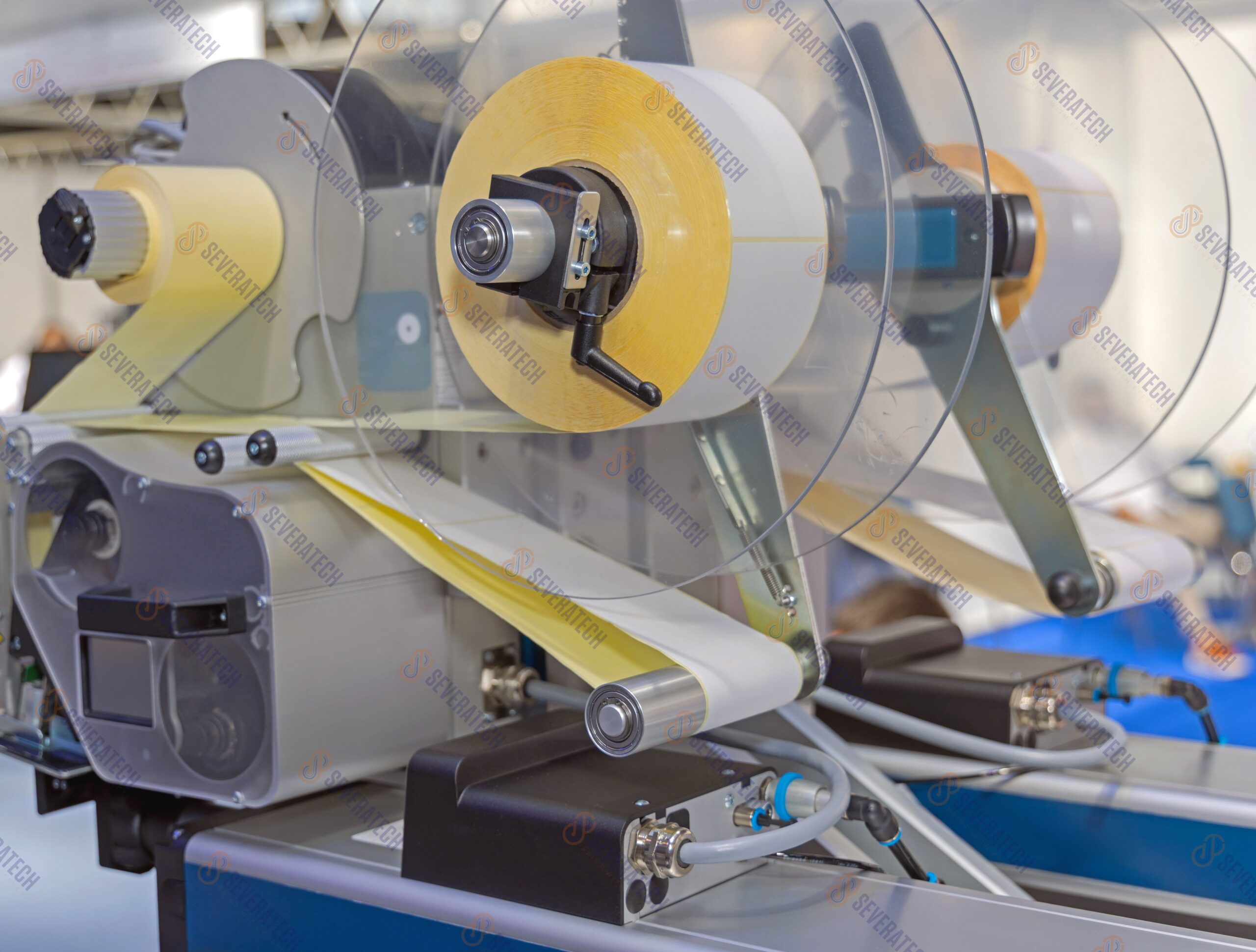
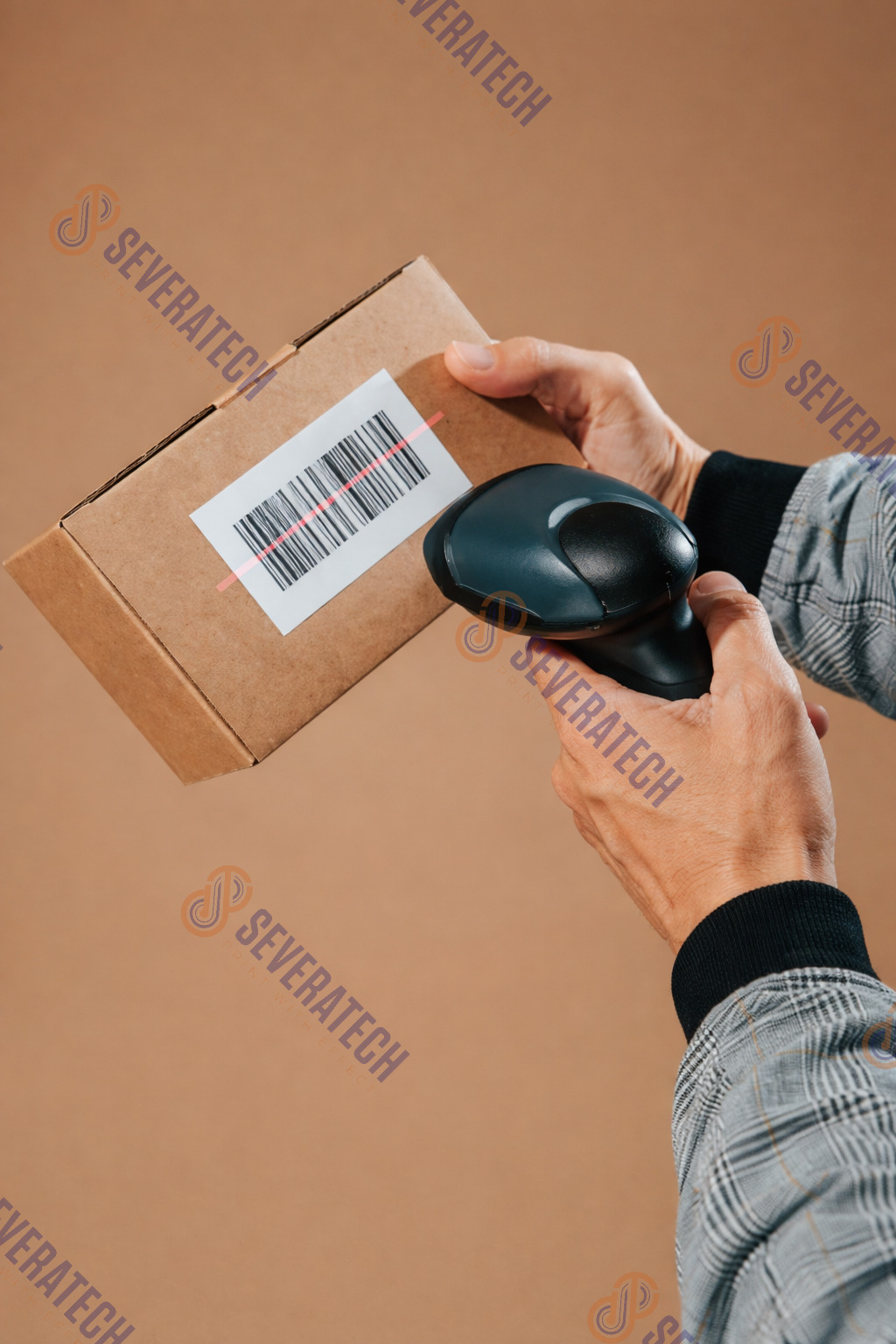
Accurate barcode scanning depends not only on print quality but also on correct design and proper application. Even the smallest loss of contrast, incorrect sizing, or unsuitable surface selection can lead to scanning issues in the field. Therefore, the “design → printing → application” chain should be considered together for barcode labels.
The most critical rule for barcodes is to leave a sufficient "quiet zone" in the scanning direction.
Printing Standards
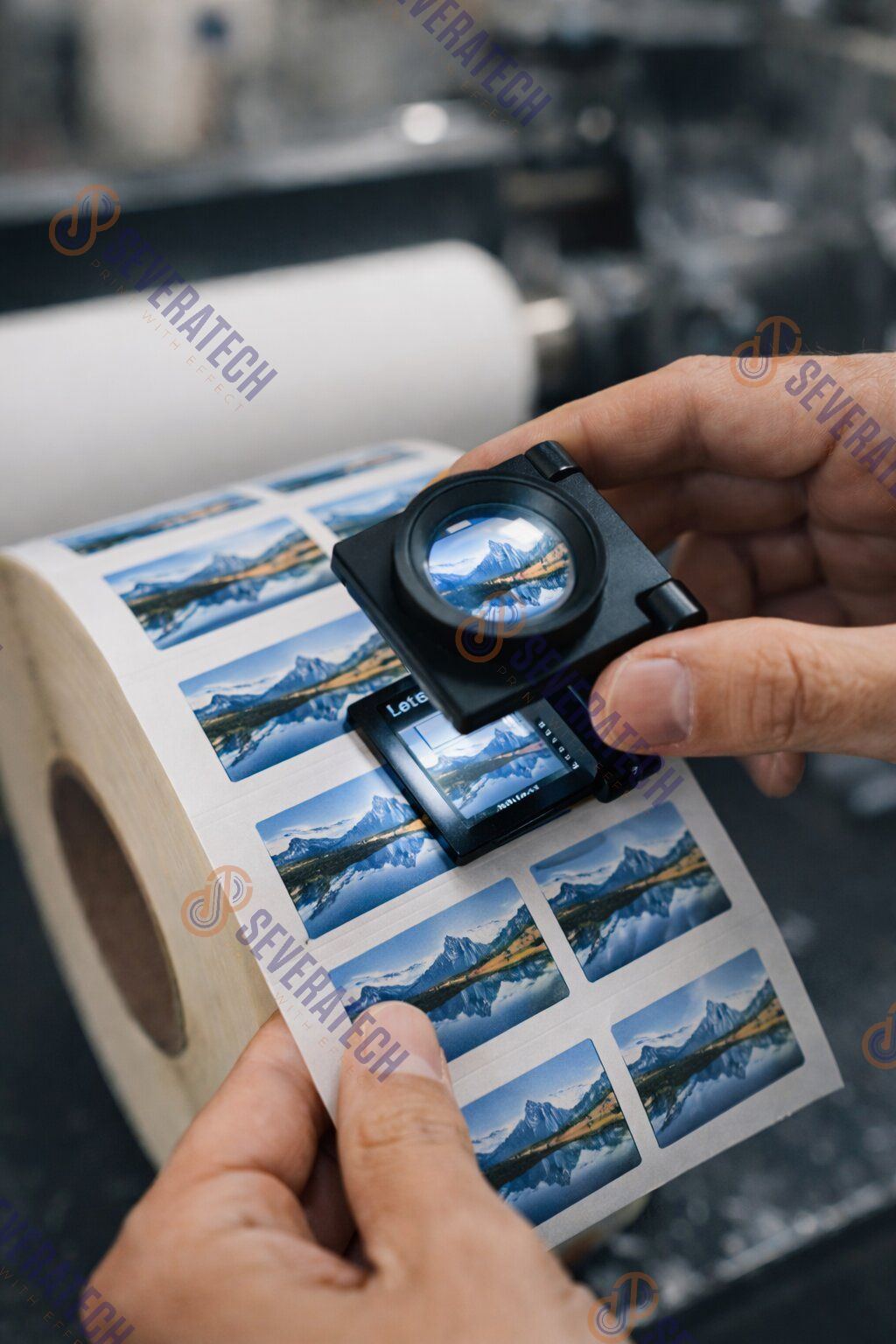
The first factor determining barcode readability is resolution and line sharpness. If the edges of the bars blur, the scanner may misinterpret the bar width. Contrast is equally important; a light background with dark bars is the safest approach. On glossy surfaces, reflections can occur, which may cause issues, especially with fast-reading handheld scanners. If the label’s lamination or varnish is chosen incorrectly, the bars can become reflective, making scanning difficult. Selecting the appropriate ribbon (wax/wax-resin/resin) ensures the print is resistant to smudging and abrasion. After printing, test scanning should always be performed, ideally using multiple devices. To achieve consistent results in production, print settings should be recorded and maintained.
Application Conditions
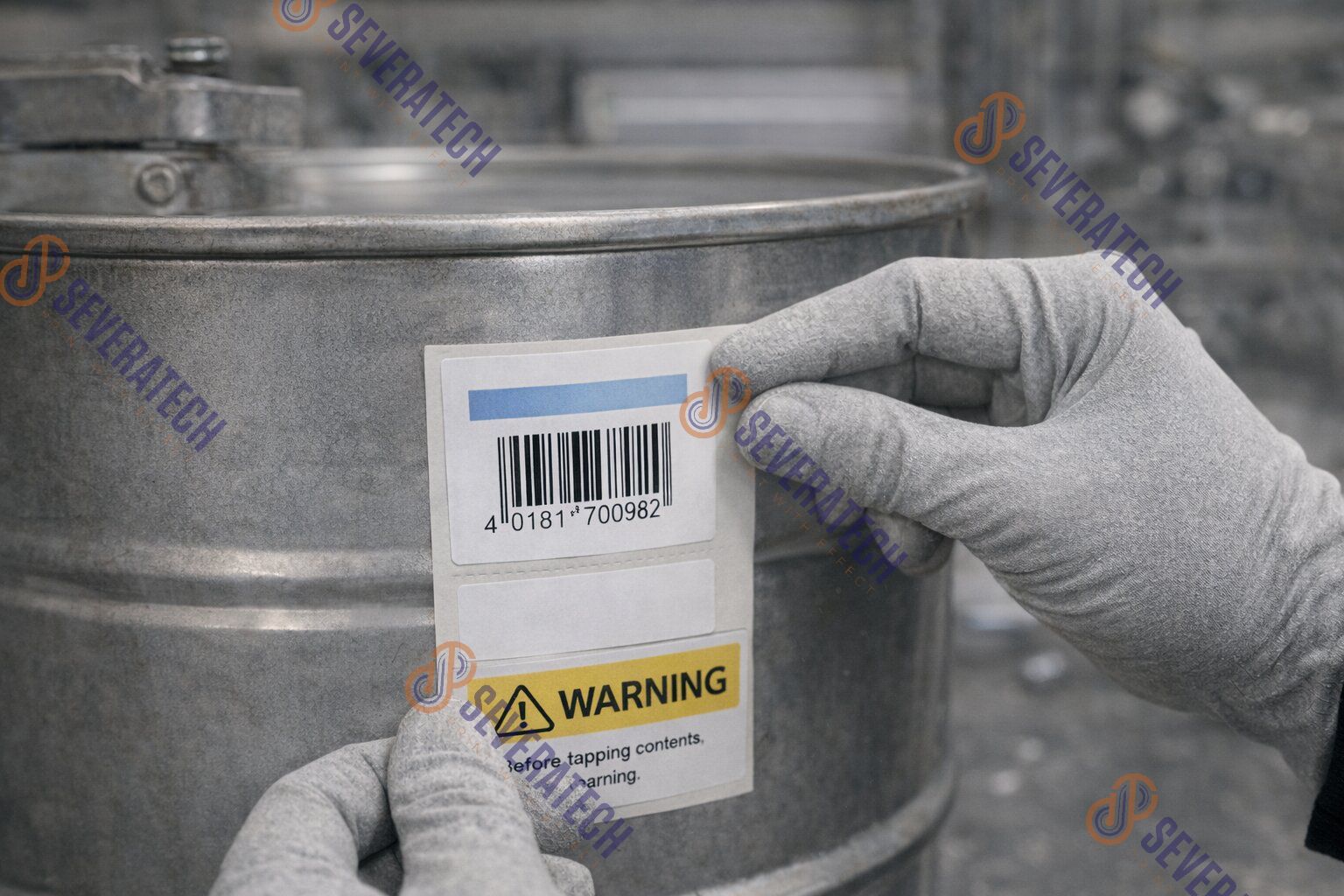
The surface where the label is applied directly affects barcode performance, as lifting, wrinkling, or soiling of the label can disrupt scanning. On dusty, oily, or humid surfaces, adhesive selection becomes critical; without the right adhesive, the label may peel from the edges quickly. In outdoor environments, UV exposure, temperature fluctuations, and abrasion can rapidly degrade the print, making durable film labels and resin printing the preferred choice.
Labels intended for use in cold storage require low-temperature adhesives; otherwise, initial adhesion will be weak. For curved surfaces, the label’s shape and material flexibility are important, as rigid materials may wrinkle. Chemicals that come into contact with the product (alcohol, solvents, cleaning agents) can erase the print, so a protective layer should be planned accordingly.
To prevent air bubbles and wrinkles during application, proper surface preparation and correct adhesive technique must be used. The safest method is to perform a small pilot test before full application and check it after 24 hours.
If a label peels, smudges, or becomes glossy in the field, the issue usually stems not from the printing itself but from the material–adhesive–application combination.
Summary
Success with barcode labels depends not only on correct design dimensions and sharp printing but also on choosing the right surface and adhesive. Pre-production test scans and small pilot trials prevent major issues before they arise.