

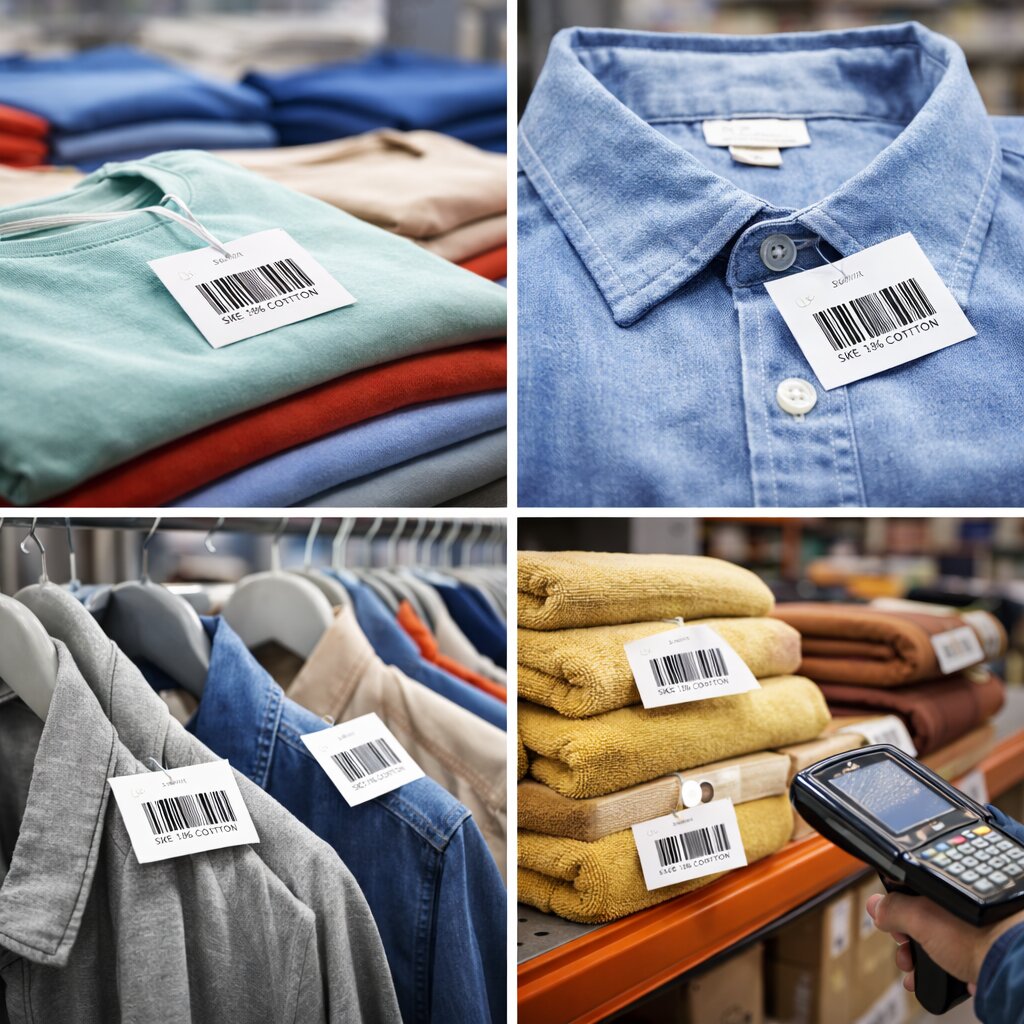
Textile & Apparel Industry
In the textile and apparel industry, labels help present product information, size details, barcodes, and brand elements accurately. They support fast and organized product tracking in retail, warehouse, and logistics processes. Different label materials that adapt to fabric, plastic, and cardboard surfaces are preferred. Proper labeling is an important factor that supports both product presentation and inventory management.
- Makes product information, size, and barcode tracking easier.
- Provides organized product identification in retail and warehouse processes.
- Offers label solutions compatible with different textile packaging types.
- Delivers clear and well-organized labeling that supports brand presentation.
Types of Labels Used in the Textile Industry
In the textile industry, labels play an important role in identifying products and classifying them correctly throughout sales processes. Product codes, barcodes, size information, and pricing details can be easily tracked through labels. Label materials suitable for different packaging types and textile products are preferred. Fast and practical labeling solutions are widely used in retail and warehouse operations. The right label choice supports both product organization and sales operations.
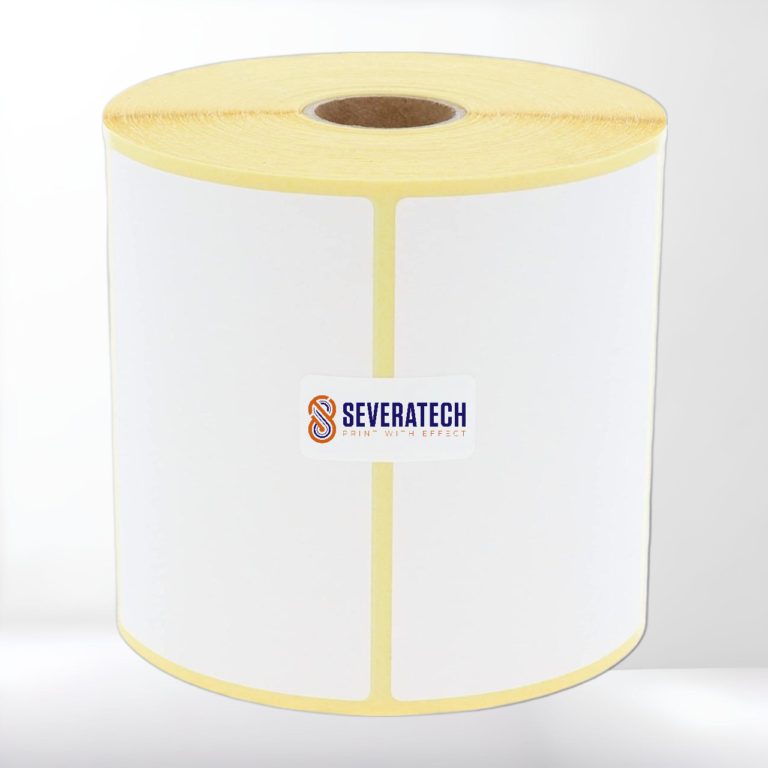
It is a practical label type that can be printed with heat. It is preferred for fast labeling in warehouse, logistics, and retail processes.
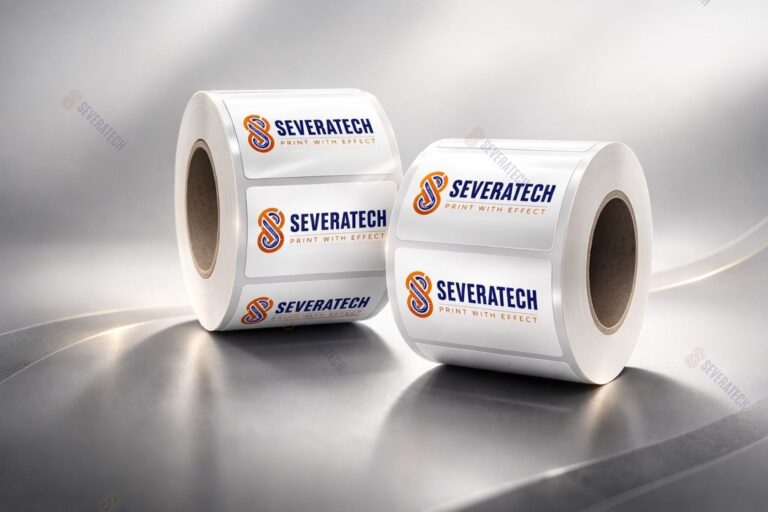
It is a durable film-based label type. It offers more stable performance against moisture and abrasion and is used on plastic textile packaging.
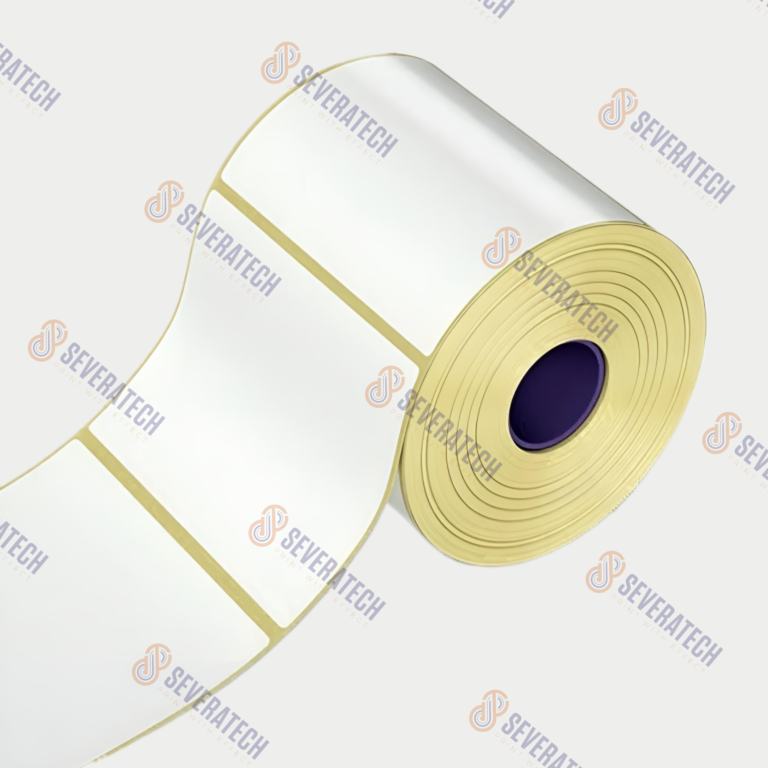
It is a paper-based label type that provides clear print quality. It is widely used in retail and warehouse processes for barcodes, pricing, and product information.
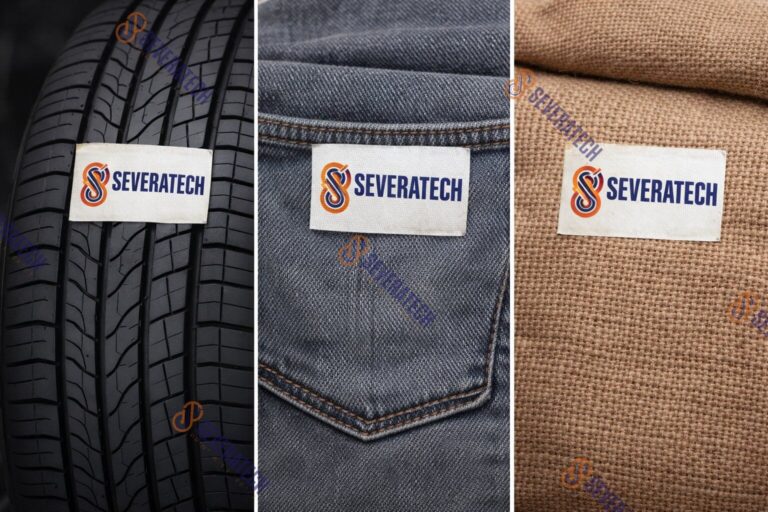
It is a label type that provides strong adhesion on rough or difficult surfaces. It offers stable adhesion performance on plastic packaging and wrapped products.
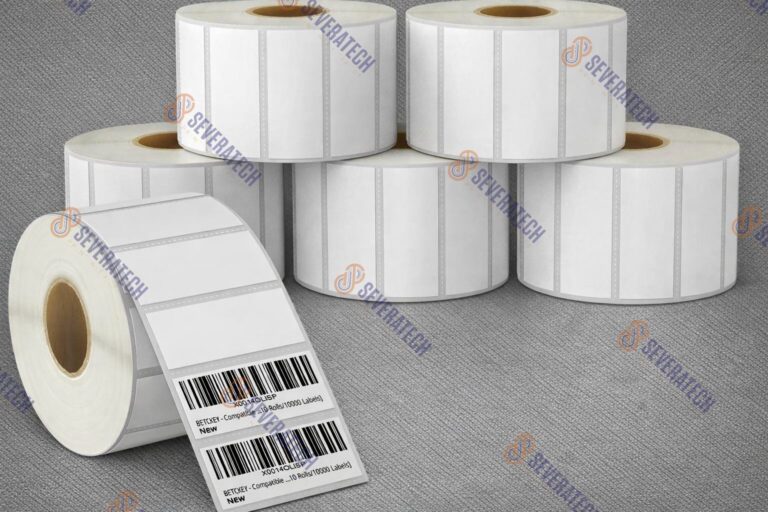
It is a paper-based label type with a matte surface. It allows information such as barcodes and product codes to be printed clearly and is frequently preferred for textile products.
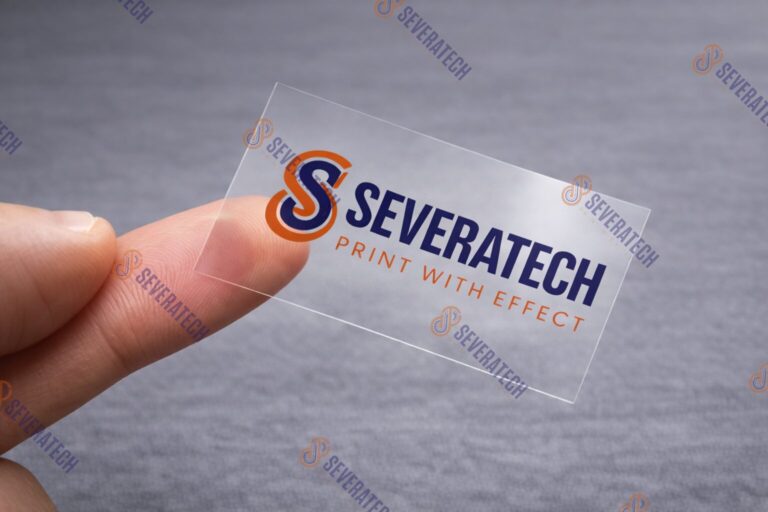
It allows labeling without covering the appearance of the packaging. It offers an aesthetic labeling solution for plastic bags and textile packaging.