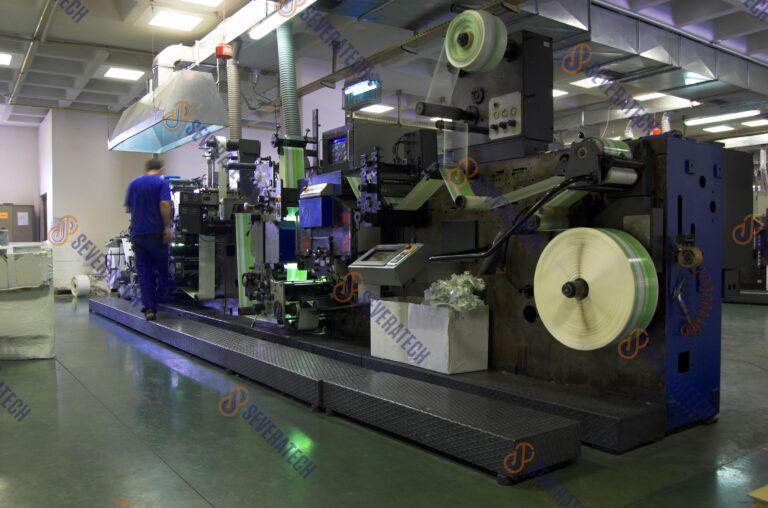

Why are direct thermal and thermal transfer printing often compared?
Direct thermal and thermal transfer printing are two of the most commonly compared printing methods in labeling processes. Both are widely used for printing barcodes, product codes, lot numbers, and other basic variable information. However, there are important differences between them in terms of working principle, print durability, and the label materials they are best suited for. If the wrong method is selected, issues such as print fading, poor readability, or unnecessary costs may occur.
Direct thermal printing works without a ribbon, while thermal transfer printing uses a ribbon to provide more durable results.
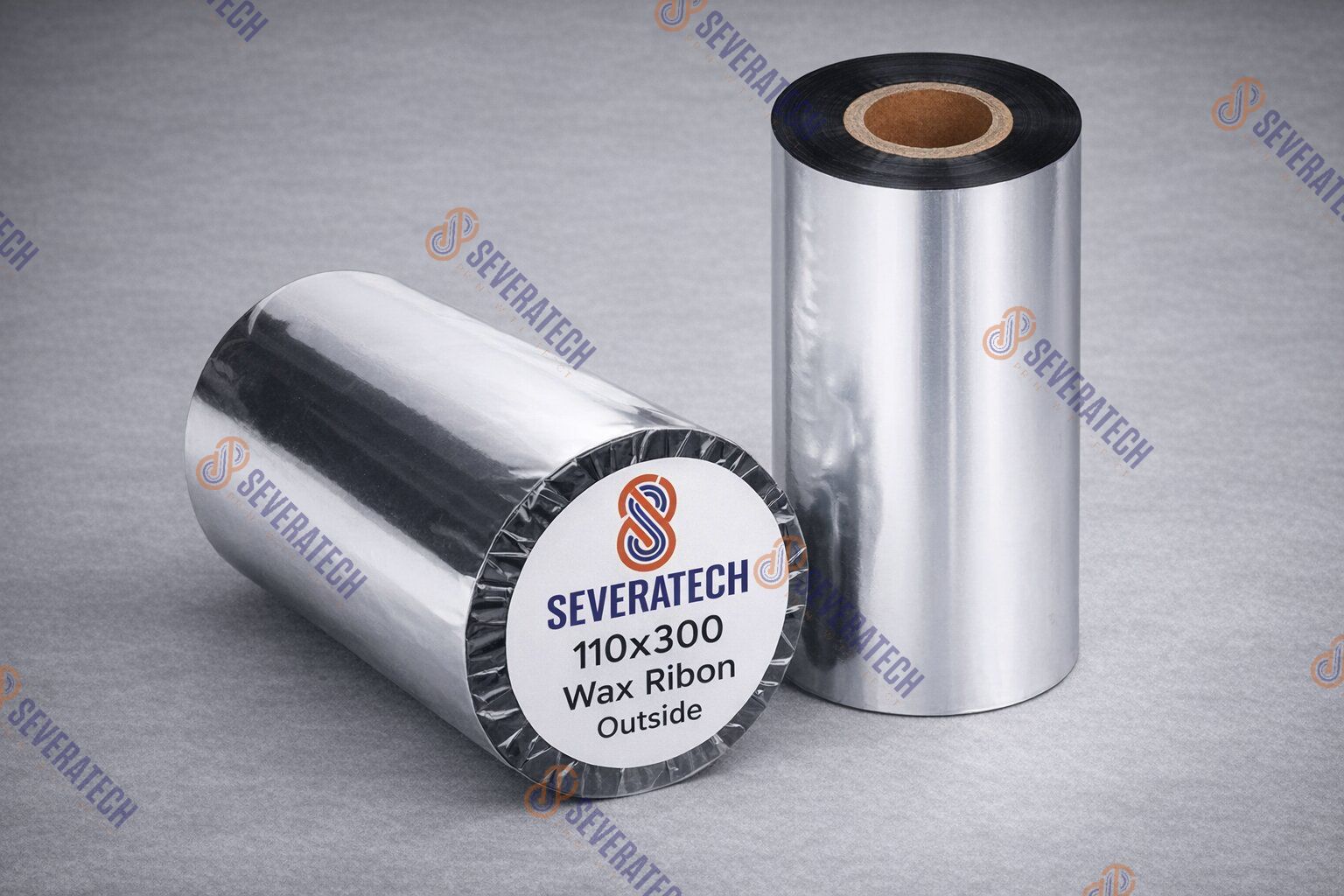
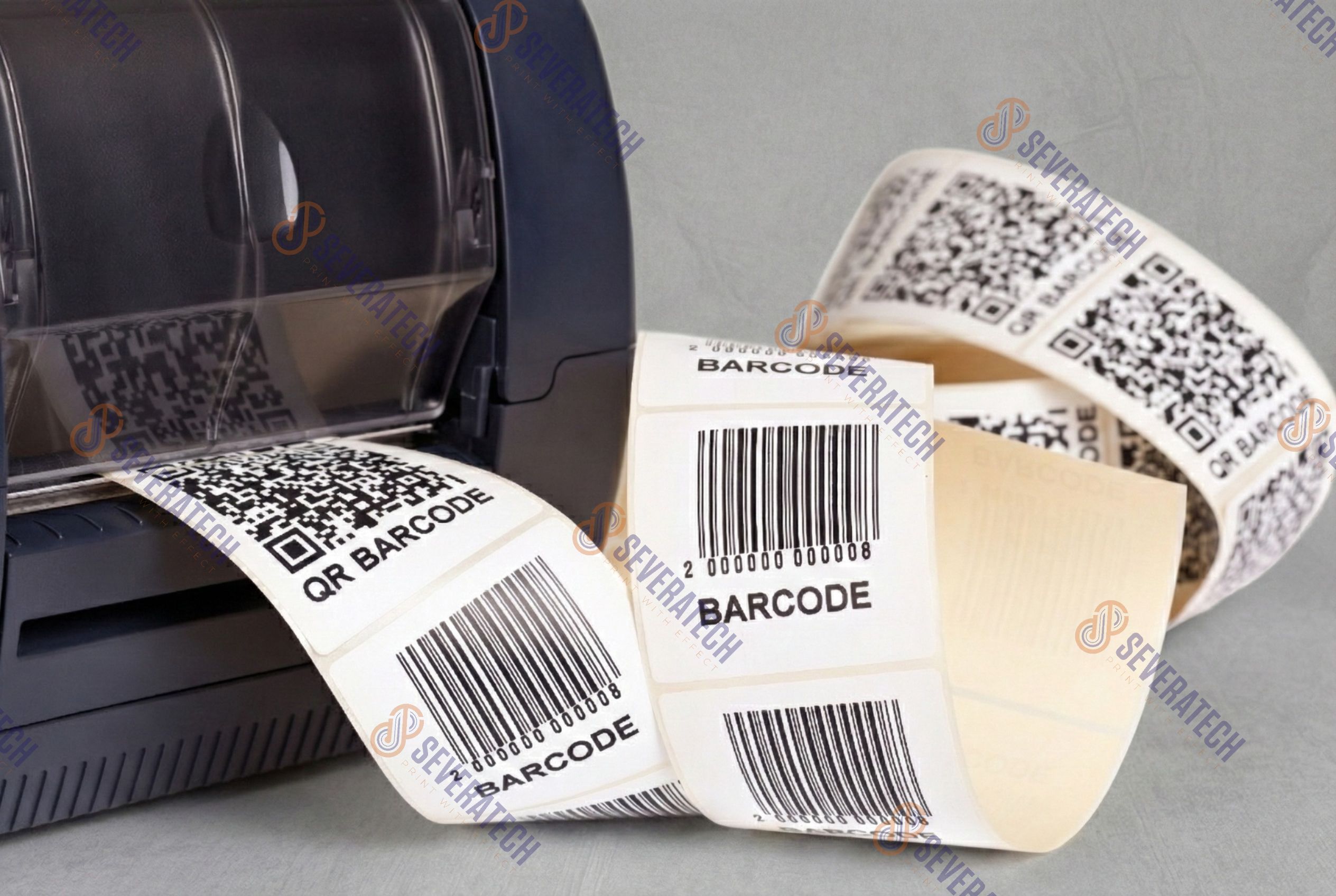
Which criteria should be considered when choosing a printing method?
First, the service life of the label and the environment it will be exposed to should be evaluated. Whether the print is intended for short-term use or must remain readable over a longer period is a key factor in the decision process. External conditions such as moisture, heat, abrasion, and light also directly affect the most suitable printing method.
Direct thermal printing usually offers a practical solution for short-term applications. Thermal transfer printing stands out where higher print permanence is required. The label material also plays an important role, because not every material performs equally well with every printing method. For this reason, the choice should be made not only according to the printer, but according to the full application requirements.
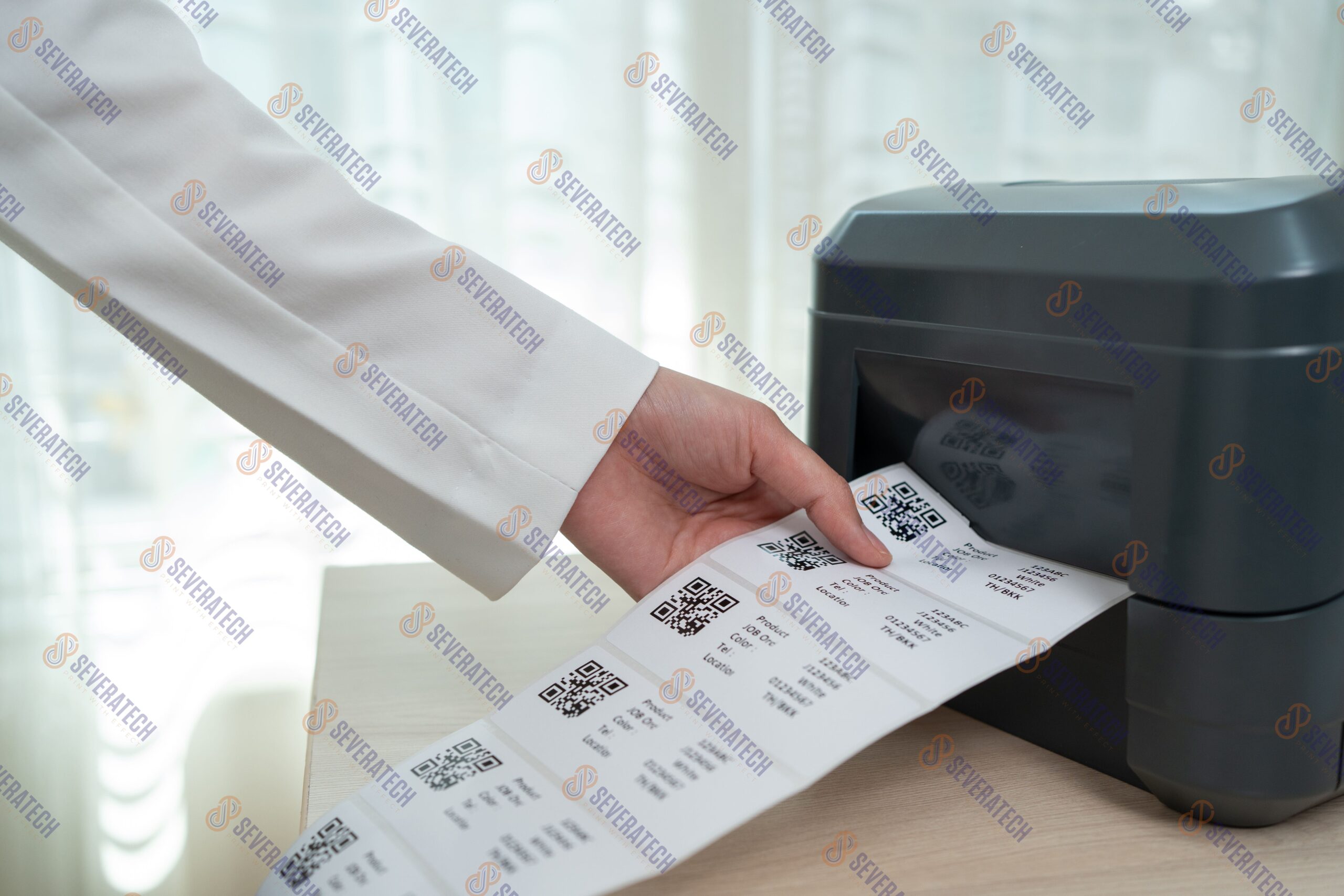
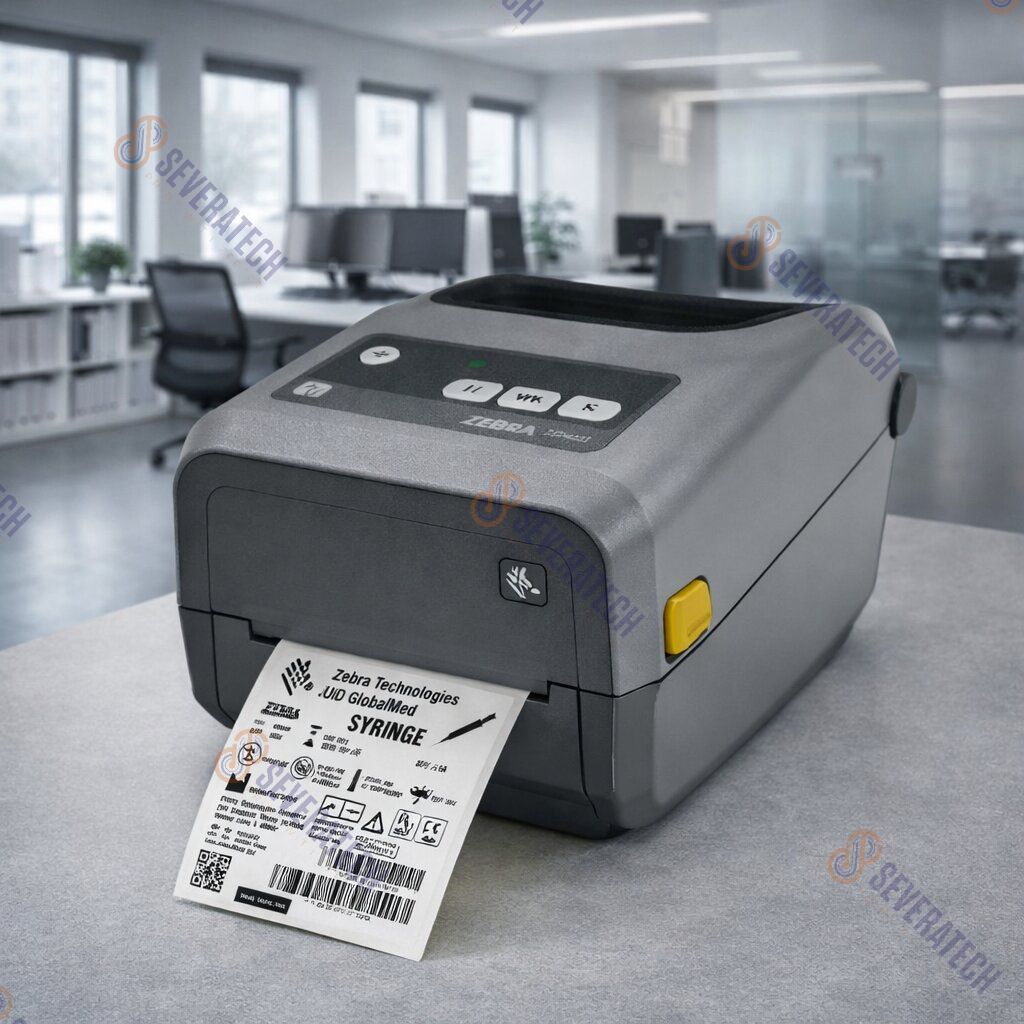
The right choice is made by evaluating the expected print life together with the label material.
Which label types stand out in direct thermal and thermal transfer printing?
Choosing the right label type according to the printing method directly affects not only print quality but also service life. Some labels are suitable for short-term and fast-moving applications, while others provide more stable performance under more demanding conditions. Barcode readability, abrasion resistance, and environmental conditions should all be considered together. For this reason, the difference between direct thermal and thermal transfer printing should be evaluated not only as a printer technology issue, but also in terms of material compatibility. When the right combination is selected for the application, both clearer print quality and more reliable use can be achieved.
Direct thermal eco labels are widely used in applications where printing is produced directly by heat and no ribbon is required. They offer a fast and economical solution for short-life labeling needs. They are commonly preferred in shipping, logistics, short-term product tracking, and general dispatch applications.
Direct thermal top coated labels maintain the advantages of direct thermal printing while offering additional surface protection. Compared to standard direct thermal eco labels, they can provide more balanced resistance against abrasion and external factors. They may be preferred in applications where controlled conditions are expected but a slightly higher level of durability is needed.
Vellum labels are one of the most commonly used paper-based label types in thermal transfer printing. When used with wax ribbon, they provide economical and readable print performance. They are widely preferred for indoor barcode, shelf, carton, and stock labeling applications.
PP labels stand out in thermal transfer printing where more durable use is required. Thanks to their plastic-based structure, they offer stronger resistance to moisture, abrasion, and more demanding conditions compared to paper-based labels. They can be a reliable option for cosmetics, cleaning products, plastic packaging, and applications requiring longer-lasting labeling.
In conclusion, which printing method should be preferred?
There is no single correct method when choosing between direct thermal and thermal transfer printing; the right decision depends entirely on the application requirements. Direct thermal printing may be more practical for short-term, fast-moving, and cost-focused labeling needs. Thermal transfer printing, on the other hand, is a stronger option for applications that require longer-lasting prints, greater resistance to fading, and compatibility with different materials. The most accurate decision is made by evaluating the label’s service life, environmental conditions, material type, and required print durability together. In uncertain cases, carrying out a small trial application is the lowest-risk approach.